
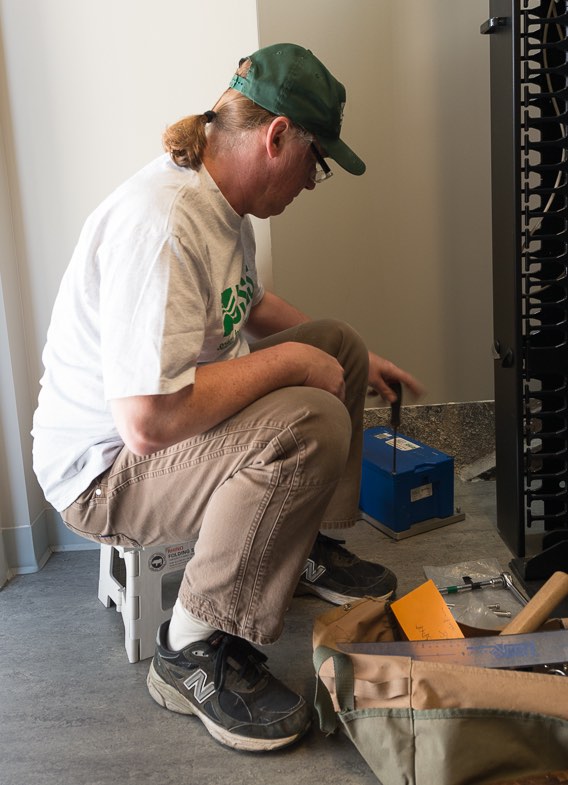
The NetQuakes program was an effort to improve the USGS and Advanced National Seismic System’s (ANSS) capability to measure strong ground motion from earthquakes in high- risk metro regions and high-hazard regions with sparse seismic station coverage. Ground motion measurements improve our ability to make rapid post-earthquake assessments of expected damage and contribute to the understanding of hazard and the continuing development of engineering standards for construction.
In 2009, the USGS developed a digital seismograph that connects to a local network via WiFi and uses existing internet connections to transmit data to USGS after an earthquake. From 2009-2013, USGS and ANSS regional seismic networks solicited volunteers from across the country and installed several hundred NetQuakes instruments in private homes, businesses, public buildings and schools with an existing connection to the internet.
NetQuakes stations provide triggered recordings for earthquakes of magnitude 3 and larger.
View and Retrieve Data
The most recent triggered data from active NetQuakes stations is available online and can be viewed here. Netquakes recordings are archived here.
NetQuakes Status and Contacts
The USGS is no longer purchasing or installing new NetQuakes instruments. The USGS considers requests for maintenance of existing NetQuakes stations on a case-by-case basis. If you are a NetQuakes host or user and you have a maintenance question, please contact netquakes@usgs.gov.